What Is the Best Food Tour in London?
London is one of the world’s great food cities.
From historic markets and traditional British dishes to international cuisines brought by generations of immigrants, there is no shortage of ways to explore the capital through its food.
But with dozens of tours available, visitors often ask the same question:
What is the best food tour in London?
The answer depends on what you want from the experience.
Some tours focus purely on eating. Others focus on history. Some showcase London’s diverse international food scene, while others concentrate on traditional British favourites.
The best food tours combine all of these elements, helping visitors understand the city through its food while enjoying memorable tastings along the way.
What Makes a Great Food Tour?
Not all food tours are created equal.
The most rewarding experiences offer far more than a collection of food samples.
A great food tour should help visitors:
- Discover neighbourhoods they might never find on their own
- Learn the stories behind the food
- Meet local traders and food producers
- Understand London’s history and culture
- Experience both traditional and modern British cuisine
- Feel like they are exploring the city with a knowledgeable local friend
Food is often the starting point, but the best tours reveal much more about London itself.
Borough Market: London’s Most Famous Food Destination
For many visitors, any discussion about London’s best food tour begins with Borough Market.
Located beside London Bridge, Borough Market has served Londoners for centuries and remains one of the city’s most celebrated food destinations.
The market offers everything from artisan cheeses and freshly baked bread to traditional British produce and international street food.
What makes Borough Market special is its connection to London’s history.
Walking through the market allows visitors to experience nearly a thousand years of food trading while sampling some of the finest produce available in Britain today.
For first-time visitors to London, a food tour centred around Borough Market is often the ideal introduction to the city’s culinary culture.
The Importance of Local Guides
One of the biggest differences between a good food tour and a great one is the guide.
Food can be enjoyed independently.
Stories cannot.
The best guides bring London’s streets, markets and neighbourhoods to life through personal knowledge and local insight.
They explain why certain foods matter, how neighbourhoods have evolved and where London’s food traditions originated.
Visitors remember stories long after they have forgotten individual tastings.
Small Groups Create Better Experiences
When choosing a food tour, group size matters.
Large groups can feel rushed and impersonal.
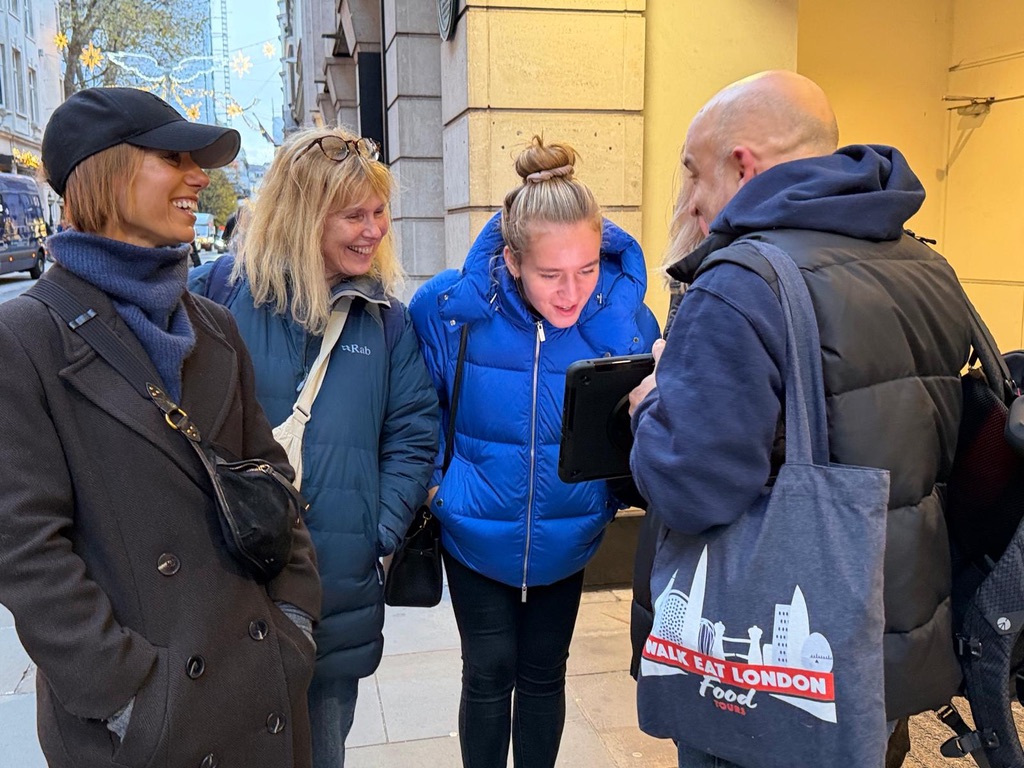
Smaller groups allow guests to ask questions, engage with guides and enjoy a more relaxed experience.
Many experienced travellers prefer small-group tours because they provide greater access to guides, easier conversations and a more authentic atmosphere.
For couples, solo travellers and mature visitors, this often makes a significant difference to the overall experience.
Traditional British Food vs International London
Another important consideration is what type of food experience you are seeking.
London’s food scene reflects centuries of global influences.
Some tours focus heavily on international flavours.
Others concentrate on traditional British cuisine.
Many visitors are surprised to discover that British food has undergone a remarkable transformation in recent decades.
Today’s London offers outstanding examples of traditional dishes alongside innovative interpretations that reflect the city’s multicultural identity.
The most memorable tours usually provide a balance between London’s historic food traditions and its contemporary food culture.
Beyond the Food
The best food tours are really city tours in disguise.
They use food as a way to explain:
- London’s history
- Its neighbourhoods
- Its markets
- Its communities
- Its traditions
- Its ongoing evolution
Visitors leave with a deeper understanding of the city itself, not just the dishes they have tasted.
This is particularly important for first-time visitors who want an experience that combines sightseeing, culture and food in a single outing.
So, What Is the Best Food Tour in London?
The best food tour in London is one that combines exceptional food, fascinating stories, local expertise and a genuine sense of place.
For many visitors, that means exploring historic Borough Market with a knowledgeable local guide who can reveal the hidden stories behind the stalls, the traders and the surrounding neighbourhood.
A truly memorable food tour should leave you feeling that you have not only tasted London but understood it.
The city’s food tells the story of its people, its history and its culture.
The right tour brings that story to life.
Frequently Asked Questions
Is a food tour worth doing in London?
Yes. Food tours allow visitors to experience London’s culture, history and neighbourhoods through local food and expert storytelling.
What food is London famous for?
London is known for traditional dishes such as fish and chips, Sunday roast, pies, afternoon tea and a wide range of international cuisines that reflect the city’s multicultural character.
Is Borough Market worth visiting?
Absolutely. Borough Market is one of London’s most historic and celebrated food destinations and is often considered an essential stop for food-loving visitors.
Are food tours suitable for solo travellers?
Yes. Many solo travellers enjoy food tours because they provide a social and welcoming way to explore the city.
Are food tours suitable for older travellers?
Most small-group food tours are well suited to mature travellers, offering a relaxed pace and opportunities to learn about London’s history and culture.
How long should a London food tour last?
Most high-quality food tours last between three and four hours, allowing enough time to enjoy multiple tastings while exploring the surrounding area.